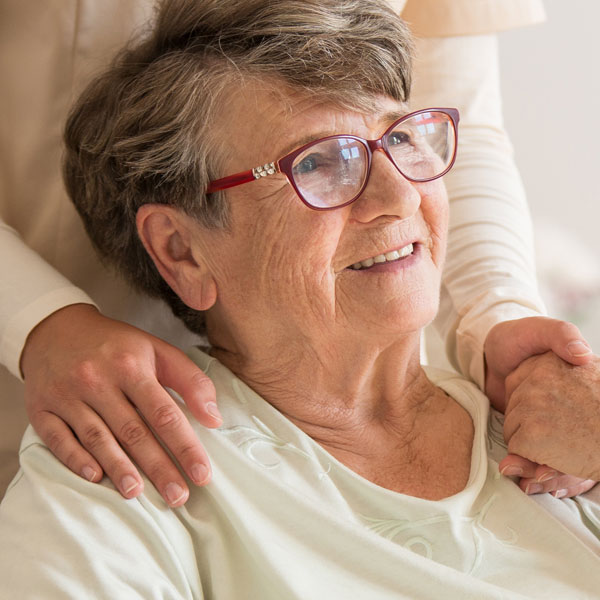
Licentia provides specialist live-in care for individuals living with cancer and life-limiting conditions, delivered by highly trained Personal Assistants who understand the physical, emotional and practical impact that serious illness can have on daily life.
Our nurse led Complex Care Team has experience supporting clients at different stages of illness, including those undergoing treatment, recovering from surgery, living with advanced cancer, or requiring palliative and end-of-life care at home. We recognise the importance of preserving dignity, comfort, privacy and personal choice, while providing calm, responsive and compassionate support.
Licentia works closely with families, healthcare professionals, community nursing teams, hospices and other specialist services to help ensure that care is coordinated, safe and centred around the individual. Whether support is needed for a short period, during treatment, following hospital discharge or as part of longer-term care, our aim is to help clients remain as comfortable, independent and reassured as possible in their own home.
Our cancer care and life-limiting conditions training, led by experienced nurses, encompasses crucial subjects such as:
- Understanding Cancer and Life-Limiting Conditions
- Palliative and End-of-Life Care
- Pain and Symptom Management
- Medication Support
- Nutrition and Hydration
- Fatigue Management
- Personal Care and Dignity
- Skin Integrity, Tissue Viability and Pressure Care
- Continence Care
- Respiratory Support
- PEG Feeding and Nutritional Support
- Moving & Handling
- Emotional Wellbeing and Communication
- Supporting Families and Loved Ones
- Recognising Changes in Condition
- Escalation, Risk Management and Emergency Response
We understand that care for people living with cancer or a life-limiting condition is not only about meeting clinical or physical needs. It is also about helping people feel safe, heard and respected at a time when life can feel uncertain or overwhelming.
The right live-in care can allow individuals to remain in familiar surroundings, maintain important routines, spend meaningful time with loved ones and make choices about how they wish to be supported. For families, it can provide reassurance that their loved one is receiving attentive, personalised care from someone who understands both the practical responsibilities and the emotional sensitivity involved.